In a nutshell
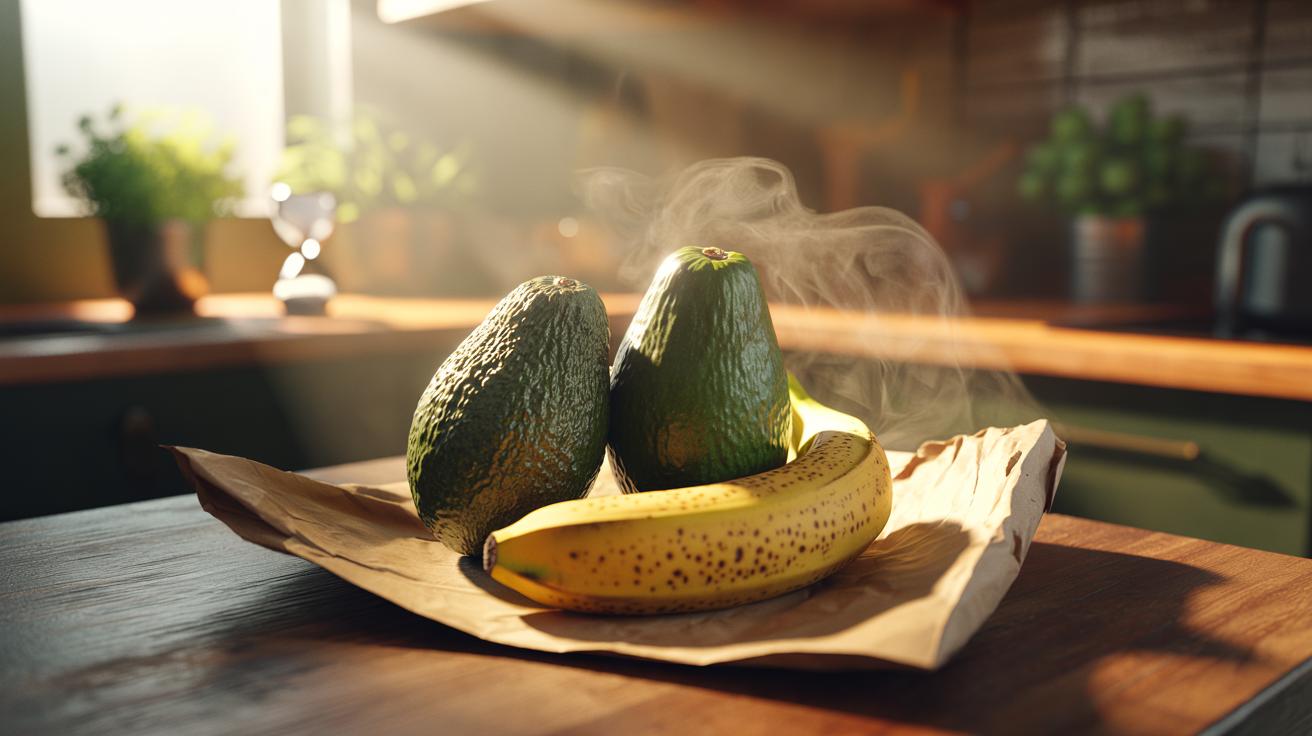
- 🍌 Use bananas to speed avocado ripening in about 18–24 hours by concentrating natural ethylene gas in a paper bag.
- 🧪 Ethylene binds to receptors, triggering enzymes that soften flesh, convert starches to sugars, and build aroma—true ripening, not fake softness.
- 🌡️ Maintain 20–22°C in a breathable setup; avoid sealed plastic and extremes (below 10°C or above 30°C) to prevent off-flavors and chilling injury.
- 🔄 Practical tips: check firmness near the stem after 12 hours, refrigerate once ripe to pause ripening, and keep ethylene away from leafy greens.
- 🥝 Alternatives and myths: apples or kiwis work (slower), rice is secondary, and microwaving/baking softens but does not develop flavor.
Need ripe guacamole tonight, but your avocados are stubbornly stone-hard? Here’s the fast, reliable fix: pair them with bananas. This simple home hack leverages a natural plant signal—ethylene gas—to accelerate softening and flavor development, often bringing firm fruit to ready-to-eat in roughly 24 hours. The science is elegant. The setup is easy. And the results are surprisingly consistent when you control temperature, airflow, and timing. Think of it as a gentle nudge that switches avocados from idle to active ripening, without cooking or cheating the fruit’s chemistry. Below, discover why it works, how to do it safely, and what to try if you need to go faster—or slower.
How Ethylene Gas Triggers Ripening
Ethylene is a gaseous plant hormone, invisible but potent. Bananas emit it generously; avocados are highly responsive to it. Together, they form a classic “climacteric” duo: fruits that spike in respiration and biochemical activity as they ripen. In practice, this means ethylene binds to receptors in avocado tissues, switching on genes that make ripening enzymes. Those enzymes soften cell walls, convert starches to sugars, mellow bitterness, and build aroma compounds. The result isn’t just softness. It’s flavor.
When ethylene exposure rises, avocados move from a slow, uncertain timeline to a predictable curve many home cooks can manage within a day. The rate depends on variety (Hass is forgiving), harvest maturity, and storage history. Fruit that’s physiologically mature responds quickly; immature fruit may stall. Importantly, ethylene doesn’t “fake” ripeness—heat might, mashing might, but true ripening is biochemical. The signal must reach the tissues, oxygen must be present for respiration, and temperature must stay in the sweet spot where enzymes work best. That’s why a warm room and a breathable container outperform sealed plastics or a chilly windowsill every time.
Bananas and Avocados: A Practical 24-Hour Method
For most kitchens, a brown paper bag is the perfect micro-climate. It traps enough ethylene from the banana to matter while allowing air exchange so the fruit can breathe. Choose avocados that are firm but not rock-hard, with intact skin and no bruises. Add one ripe banana per two avocados. Fold the bag, don’t tape it. Leave it at room temperature—ideally 20–22°C—and keep it away from direct sun or radiators.
Check after 12 hours. Press gently near the stem; a slight give indicates progress. Many Hass avocados will be ready in about 18–24 hours. If still too firm, continue to 36 hours. Avoid plastic bags that seal completely; they can trap moisture, drive off-odors, and risk mold. The goal is concentrated gas, not a suffocating bubble. A single kiwi or apple can substitute for the banana, but bananas are often more reliable at home. If speed is critical for a dinner deadline, start the process in the morning and test at lunchtime; remove the banana early if softness jumps faster than expected.
| Setup | Conditions | Expected Time | Notes |
|---|---|---|---|
| Avocados + banana in paper bag | 20–22°C, folded top | 18–24 hours | Best balance of ethylene and airflow |
| Avocados on counter with banana nearby | Room temperature | 24–48 hours | Slower, less concentrated ethylene |
| Avocados with apple/kiwi in paper bag | 20–22°C | 24–36 hours | Good substitute if no banana |
| Sealed plastic bag | Humid, low oxygen | Unpredictable | Higher risk of off-flavors or mold |
Speed Without Spoilage: Temperature, Storage, and Safety
Temperature is the quiet deal-maker. Keep the bag in a warm room, not hot—18–24°C is a comfortable target. Above roughly 30°C, enzymes misbehave and the fruit can taste flat. Below about 10°C, especially under 7°C, avocados risk chilling injury: grey flesh, rubbery texture, or watery patches. That’s why the fridge is a tool for ripe fruit, not hard ones. Chill to pause, not to ripen.
Handle fruit gently to avoid bruising, which accelerates decay. Don’t crowd the bag; two to three avocados with one banana is efficient. Keep the setup away from leafy greens—spinach and lettuce are ethylene-sensitive and wilt faster in the same space. If condensation appears inside the bag, open and dry it; moisture invites mold. When your avocado yields slightly at the stem end and smells faintly nutty, move it to the refrigerator to hold that peak for 1–2 days. For meal prep, slice, spritz cut surfaces with citrus to limit browning, and store airtight. The simple discipline of temperature and timing keeps speed from turning into waste.
Alternatives, Shortcuts, and Common Myths
No banana? A ripe apple or kiwi emits enough ethylene for a similar result, though often slower. A bowl of dry rice or flour can help by stabilizing humidity and cushioning fruit, but it’s secondary to the gas source. Ethylene sachets, used commercially, exist—but the paper bag plus banana method is cheaper, safer, and dependable. Real ripening is chemistry, not camouflage. That’s why microwaving or baking avocados is a red herring: heat may soften flesh, yet it dulls flavor and leaves a grassy aftertaste because sugars and volatiles never developed properly.
If you overshoot and fruit is very soft, rescue it: mash with lime, salt, and a touch of yogurt to stabilize texture, then chill. Need to slow things down? Once an avocado is just right, refrigerate it; cold temperates the final enzyme activity without destroying what’s already built. Planning ahead helps too. Buy a staggered mix—some firm, some nearly ripe—so you’re not hostage to the calendar. And remember: darker Hass skin isn’t everything. The stem-end “give,” aroma, and the small cap popping off cleanly are more truthful signals of readiness.
In the end, pairing avocados with bananas is a tidy bit of kitchen science: a natural hormone, controllable conditions, reliable outcomes. The method respects the fruit’s biology, delivering soft, flavorful flesh on your schedule, not the supermarket’s. With a paper bag, a warm room, and a watchful hand, 24 hours is often enough. What’s your next test—will you try bananas, apples, or a kiwi in your setup, and how will you tweak temperature and timing to hit your perfect ripeness window?
Did you like it?4.6/5 (22)