In a nutshell
- 🌱 Calcium from eggshells strengthens cell walls, stabilises membranes, and helps prevent blossom end rot; when available in the root zone, plants can show firmer new growth within 3–7 days.
- ⚗️ Prep matters: rinse, bake, and grind to fine powder for faster release, or make a diluted vinegar extract or mild “eggshell tea” for quick corrections; finer particles and slight acidity boost dissolution.
- 🪴 Apply smartly: mix 1–2 tsp per 3 L of compost for pots, or 10–20 g/m² in beds; use diluted extracts as a soil drench for tomatoes and peppers; consistent watering is critical since calcium moves with transpiration.
- 🧪 Mind the chemistry: eggshells are alkaline, can raise soil pH, and calcium competes with magnesium and potassium; avoid heavy use on chalky soils and acid-lovers, and test before repeated applications.
- 🔍 Myths and safety: shells are not a complete fertiliser and don’t reliably stop slugs—pair with balanced feeds; bake to reduce pathogens, manage dust, and add moderate amounts to compost or worm bins.
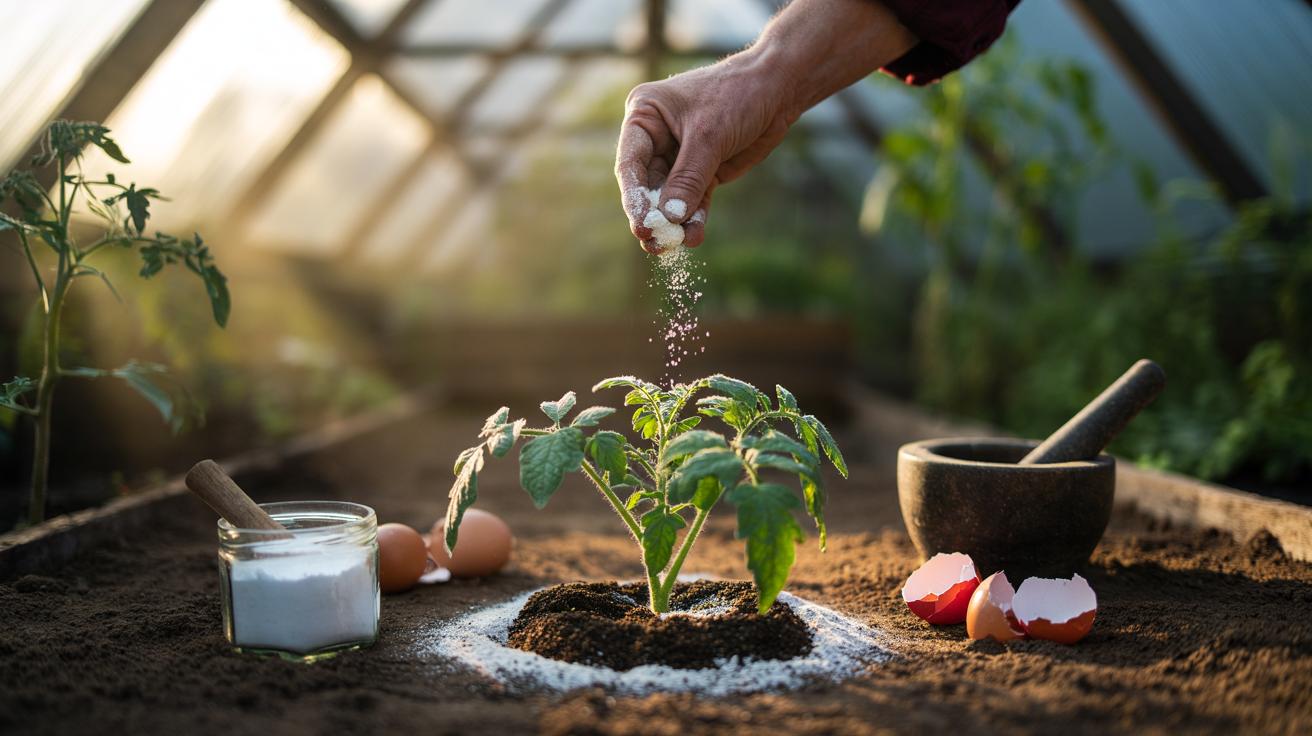
Turn breakfast scraps into growth fuel. Crushed eggshells offer an abundant source of plant-available calcium, a structural nutrient that strengthens cell walls, steadies water balance, and supports vibrant new shoots. When prepared well, eggshell calcium can act quickly, helping seedlings and fruiting plants bounce back from stress and set sturdier stems. It’s cheap, circular, and easy to fold into your routine. Yet technique matters. Particle size, preparation method, and soil pH shape how fast roots can absorb the mineral. Get these details right and you can see perkier, tougher growth in just days. Here’s how to convert a humble shell into a nimble plant tonic without upsetting your soil’s balance.
Why Calcium From Eggshells Works So Fast
Plants deploy calcium in cell walls and membranes, where it stiffens tissues and keeps growth orderly. It also helps guard against physiological disorders like blossom end rot in tomatoes and peppers by stabilising cells during rapid fruit expansion. The snag is that calcium is relatively immobile in plant tissues, so a deficiency shows up in fast-growing tips and fruit first. That’s why timely availability in the root zone matters more than late foliar sprays.
Raw shells are mostly calcium carbonate. Left coarse, they dissolve slowly. Ground into a fine powder, the surface area jumps and the dissolution rate rises, especially in slightly acidic soils. Speed increases again if you convert shells into a mild, soluble extract. When the root zone receives a small pulse of soluble calcium, fast annuals can show firmer new growth within 3–7 days, assuming consistent watering and adequate nitrogen.
Crucially, speed is not the only goal. Balance is. Calcium uptake competes with magnesium and potassium. Overdoing it can nudge soil chemistry off-kilter. Test if you can, observe leaves, and adjust gently rather than dumping heaps of shell grit into every bed.
Preparing Eggshells for Maximum Nutrient Release
Rinse shells, air-dry, then bake at 120–150°C for 10–15 minutes to sterilise and crisp. This brittleness makes them easier to grind. Blitz to a micron-grade powder with a coffee grinder or mortar and pestle. Finer is faster. For an ultra-quick boost, make a mild vinegar extract: cover powdered shells with household vinegar in a jar. Bubbles (CO₂) show the reaction forming soluble calcium salts. Once fizzing stops, dilute 1:20 with water before use. Alternatively, simmer powdered shells in water to create a light “eggshell tea,” which extracts some, but not all, of the calcium.
Pick a method that suits the need: slow-release powder for steady feeding, or small, diluted extracts for responsive corrections. Do not apply strong, undiluted acids to soil—use only well-diluted solutions to avoid root burn. Label your jars, note dates, and store powders dry to prevent clumping and odour.
| Method | Particle/Form | Release Speed | Best Use | Notes |
|---|---|---|---|---|
| Fine Powder | Micronised | Weeks; faster in acidic soil | Regular top-dress | Boosts pH slightly over time |
| Vinegar Extract | Soluble salts | Days | Quick corrections | Always dilute 1:20 or weaker |
| Eggshell Tea | Hot-water steep | Days to a week | Gentle boost | Milder than vinegar extract |
| Coarse Crushed | Grit | Months | Long-term soil buffer | Minimal short-term effect |
Smart Ways to Apply Eggshells in Beds and Pots
For pots, mix 1–2 teaspoons of fine eggshell powder per 3 litres of compost at potting-up, or scratch a teaspoon into the top 5 cm and water in. In beds, a thin top-dress of 10–20 g per square metre is ample; repeat lightly through the season rather than in one heavy dose. Little and often outperforms a single dump of shell grit. Water thoroughly to move calcium into the root zone, where it can be intercepted by young roots.
Need speed? Use a diluted vinegar extract or eggshell tea as a soil drench around tomatoes, peppers, courgettes, and leafy greens when rapid growth begins. Pair with steady moisture, because calcium rides the transpiration stream; erratic watering is a bigger trigger of blossom end rot than low calcium alone. Avoid foliar sprays for fixes—calcium moves poorly in the phloem, so leaves won’t shuttle it to fruits effectively.
Watch your pH. Eggshells are alkaline. On chalky soils, go easy to avoid nudging pH upward and locking out iron or manganese. On acidic beds, shells can gently buffer acidity over time. Never add shells around acid-lovers like blueberries or azaleas. If in doubt, run a quick soil test before repeated applications.
Common Myths, Quick Wins, and Safety Notes
Myth: “Eggshells are a complete fertiliser.” Not so. They’re rich in calcium with trace minerals, but almost no nitrogen, phosphorus, or potassium. Pair them with compost, seaweed feed, or a balanced organic fertiliser to drive foliage and root growth. Myth: “Crushed shells stop slugs.” Evidence is thin; wet slugs glide over jagged edges. Use them for nutrition, not as your only barrier.
Quick wins: Pre-treat potting mix for tomatoes and peppers with a pinch of fine powder. Drench fast-growing salad beds with a diluted eggshell extract after a cold snap to steady new leaves. Add shells to your hot compost; heat and microbes chip away at particles, improving bioavailability later. Visible perks—sturdier stems, fewer tip burns—can appear within a week when conditions already favour growth.
Safety notes: Bake shells to reduce pathogens and smell. Grind in short bursts and let dust settle; wear a mask if sensitive. Store powders dry and labelled. Don’t overload worm bins with sharp grit; moderate additions are fine. Above all, observe. Leaves tell stories. If margins yellow or growth stalls, re-check watering, overall nutrition, and pH before blaming calcium.
Eggshells turn a daily leftover into a targeted, low-cost soil amendment. Prepared finely or converted into a gentle extract, they can supply quick calcium where it counts, while coarse particles underpin the slow, steady buffering of soil structure. The trick is to match form to need, apply sparingly but consistently, and keep an eye on pH and watering so plants can actually use what you supply. Feed the soil wisely and the plants respond—often in days, sometimes in weeks, always on their own timetable. Which preparation method will you try first, and how will you measure the difference in your garden?
Did you like it?4.6/5 (20)