In a nutshell
- 🐌 Physical deterrent: Crushed eggshells create an abrasive, low-moisture barrier that repels slugs and snails without toxins, keeping allies like birds and hedgehogs safe.
- 🥚 Preparing and applying: Rinse, thoroughly dry, and crush into angular fragments; lay a continuous 3–5 cm ring around plants and refresh after rain for consistent protection.
- 🔬 Evidence and limits: Results vary with weather and pest pressure; use eggshells as part of Integrated Pest Management alongside copper tape, beer traps, and evening hand-picking.
- 🌱 Soil and sustainability: Mainly calcium carbonate, shells slowly add calcium, may slightly lift surface pH, reduce plastic and chemical use, and improve soil texture.
- 🗂️ Targets and tactics: Most useful against slugs & snails, cutworms, and some beetle larvae; build thick, gap-free rings or gritty collars at the soil line for best results.
For a tidy garden and a lighter bin, the humble eggshell pulls off a clever double act. It nourishes the soil while discouraging hungry guests that chomp through seedlings overnight. Slugs. Snails. Cutworms. Even certain beetles can think twice when they meet a gritty barricade. The trick? Texture and chemistry working together. Crunchy fragments create an abrasive surface that’s uncomfortable to cross, and the shells’ calcium carbonate slowly conditions the bed beneath. It’s a low-cost, plastic-free tactic that turns kitchen waste into protection. Used well, eggshells form part of a holistic, wildlife-friendly defence that favours balance rather than blitzkrieg.
How Eggshells Repel Common Pests
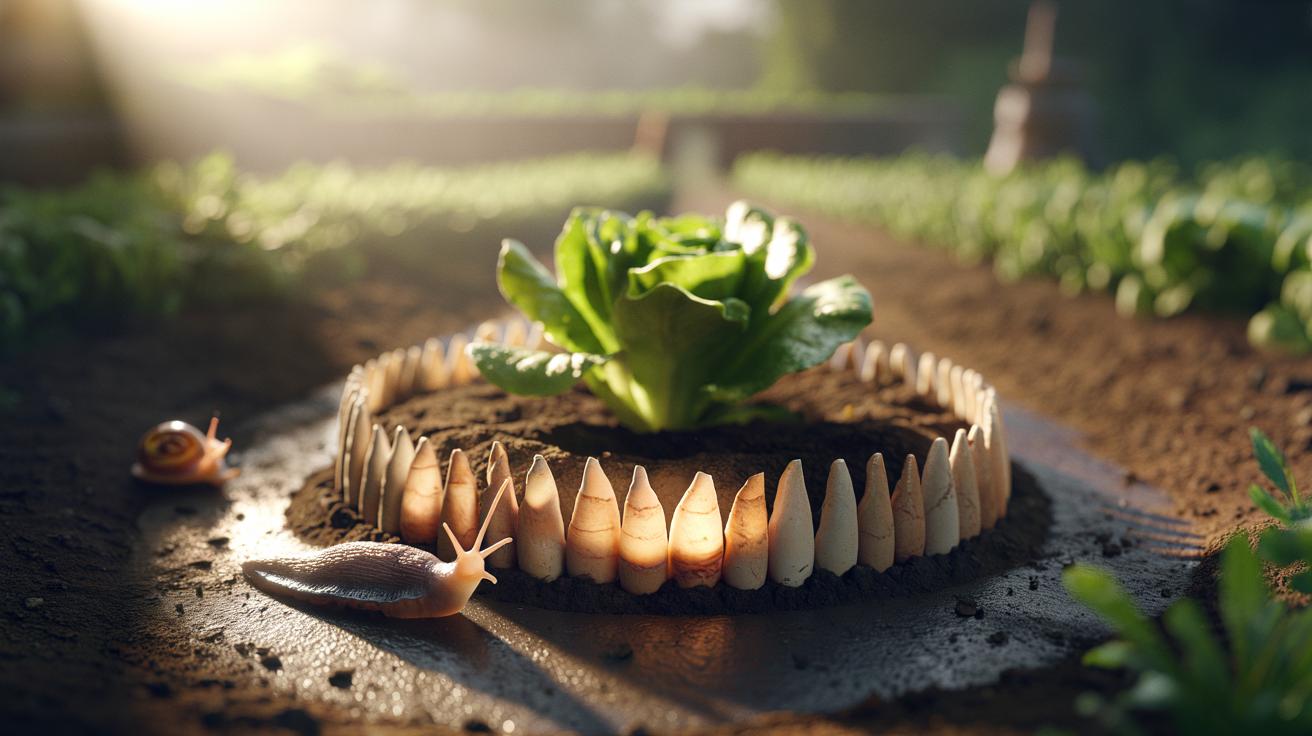
Crushed eggshells don’t act like poison; they change the terrain. Slugs and snails navigate by moisture. Sharp, angular shards wick away slime and scuff delicate tissues, making a plant’s perimeter feel hostile. The result is simple: many soft-bodied pests vote with their foot—well, foot-muscle—and retreat. This is a physical deterrent, not a kill mechanism. That matters for gardens where hedgehogs, thrushes, and ground beetles patrol as allies, because you’re not filling the food chain with toxins.
There’s also a microclimate effect. A ring of coarse, dry shell fragments becomes a low-moisture margin around stems, discouraging nocturnal raids. Dryness is key. Rain flattens and softens the barrier; timely top-ups restore bite. As the pieces weather, a whisper of alkalinity and calcium dust can nudge surface conditions away from what slugs prefer, though the chemistry is modest. Expect best results around tender lettuces, strawberries, courgettes, and young brassicas—plants that carry a “bite me” sign at dusk.
| Pest | Why Eggshells Help | Best Application Note |
|---|---|---|
| Slugs & snails | Abrasive micro-edges deter crossing | Thick continuous ring; refresh after rain |
| Cutworms | Grit barrier around stems disrupts movement | Collar of coarse shards at soil line |
| Beetle larvae | Dry, rough surface makes for poor foraging | Blend into top 1 cm as gritty mulch |
Preparing and Applying Eggshells the Right Way
Technique decides outcomes. Start by rinsing shells to remove residue, then dry thoroughly—on a sunny windowsill or in a low oven (100–120°C) for 10–15 minutes. Dry shells shatter into sharper, cleaner fragments. Crush by hand for chunky pieces, or pulse gently in a blender for a mix of flakes and grit. Avoid powdering completely: you want angular edges, not dust that vanishes into the soil.
Lay a continuous ring 3–5 cm wide around each plant, building to roughly the height of a £1 coin. Gaps invite gate-crashers, so check the circle after wind or watering. Reapply after heavy rain; the barrier works best when crisp and dry. For rows, broadcast a band like a mini moat. For pots, line the rim and surface. You can also fold a handful into topsoil for a gritty, slug-unfriendly texture that stays in place longer. Store surplus shells in a breathable jar—completely dry—so they’re ready when the forecast hints at a damp, sluggy night.
Evidence, Limits, and Smart Pairings
Gardeners swap fierce opinions on eggshell effectiveness. Results vary with weather, pest pressure, and how strictly you maintain the barrier. In a wet British summer, grit rings need diligence; long dry spells magnify success. Think of eggshells as part deterrent, part behavioural nudge—not an impenetrable wall. Some determined slugs will press on regardless. That’s your cue to layer tactics.
Couple shells with copper tape on pots, wildlife-safe beer traps positioned away from beds, and evening hand-picking. Raise vulnerable seedlings on a bench until they’re sturdy. Encourage natural predators: a log pile for beetles, a shallow water dish for birds, and undisturbed corners for hedgehogs. Keep mulch tidy near salad beds; lush, damp thatch is a slug hotel. Avoid blanket pesticides that collapse your helpful army. If cats or foxes rummage, shells can add scratchy discouragement, but secure netting is kinder to beds. The principle is elegant: reduce attractants, interrupt access, then present a rough, unwelcoming surface. Integrated pest management beats silver bullets every time.
From Waste to Resource: Soil and Sustainability Benefits
Beyond deterrence, eggshells bring quiet gains. They’re mostly calcium carbonate, which over months becomes a gentle calcium source. That supports cell walls, leaf strength, and overall resilience. It’s not a fast fix for blossom end rot—water management and root health matter more—but it contributes to long-term balance. The pH lift is slight in typical garden doses, yet on acidic beds it can nudge conditions towards neutral at the surface. Small, regular additions are safer than dumping a bucket in one go.
There’s also the footprint. Using shells means fewer plastic pellets, fewer courier miles, less chemical runoff. It’s zero-waste, local, and nearly free. In heavy UK clay, the gritty texture helps open the top layer and reduces crusting after rain. In sandy soils, shells add structure that lingers longer than leaf mulch. Keep expectations realistic: they compost slowly, and dramatic changes won’t appear overnight. But season by season, the habit pays off—cleaner bins, kinder beds, calmer ecosystems—and the knowledge that control can be reclaimed without reaching for a toxic spray.
Used thoughtfully, crushed eggshells turn breakfast into defence, deterrent into soil care, and frugality into resilience. They won’t erase every nibble, and that’s not the aim; a living garden tolerates some sharing while keeping crops intact. Start with a ring, watch the weather, pair with wildlife allies, and refine your mix. It’s a nimble, low-risk tool that rewards observation. As spring unfolds and the slugs wake up, how will you fold eggshells into your own, distinctly local strategy for keeping the harvest yours?
Did you like it?4.4/5 (25)