In a nutshell
- 🌿 Coffee grounds act as an instant deterrent by flooding pests’ senses with volatile aromas, bitter alkaloids like caffeine, and a gritty texture that discourages landing and feeding.
- 🐜 Key targets include ants, fungus gnats, aphids, and even slugs/snails, with best results seen as reduced pest pressure rather than eradication.
- 🛠️ Apply a thin, fresh layer at the surface; avoid thick mats, dry grounds before storage, refresh after rain, and keep residue off leaves to protect plant health.
- ⚠️ Understand limits: this is not a pesticide; it won’t sterilise soil or feed plants meaningfully, and modest use supports pet safety and pollinator-friendly gardening.
- 🤝 Boost results with integrated pest management: pair coffee rings with sticky traps, gentle soap sprays, aromatic herbs, and tidy, drier surfaces for smarter, sustainable control.
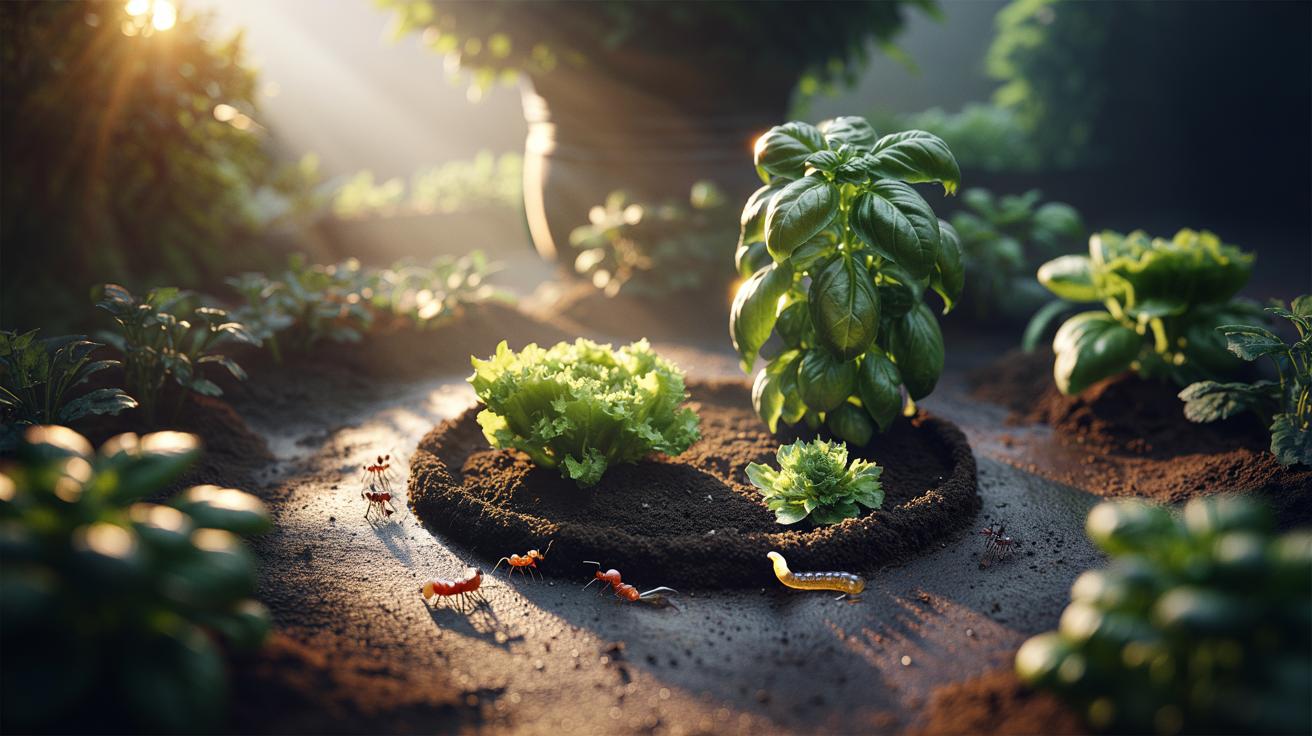
There’s a low-cost, kitchen–cupboard solution taking root in British gardens: spent coffee grounds. Scatter them lightly and, as many growers report, plants seem to gain pest protection almost at once. The explanation is not magic but chemistry and texture. Coffee’s aromatic compounds rise instantly, confusing insect antennae. Its gritty particles feel hostile on delicate legs. The result is a rapid “not for me” message to tiny trespassers. Used carefully, coffee can complement your existing routine without dousing borders in synthetic sprays. It’s a quick, natural deterrent that you can apply the moment you finish your morning brew. Here’s how and why it works, and when to use it wisely.
The Science Behind Coffee’s Instant Deterrent
Insects navigate gardens with exquisite sensors. They sniff, taste, and touch their way towards food. Coffee grounds interrupt all three channels at once. Volatile aroma compounds evaporate quickly from damp grounds, masking plant signals and overwhelming the insect’s “nose”. Trace caffeine and related alkaloids add a bitter cue that many herbivorous insects interpret as danger. Then there’s texture: the fine, gritty matrix is awkward underfoot, discouraging landing and lingering. Coffee grounds create an immediate sensory shock that discourages landing and feeding within minutes of application.
Speed matters. Unlike slow-acting soil amendments, grounds work at the surface where pests patrol. The scent plume is strongest when the grounds are fresh and slightly moist, which is exactly how most of us produce them. Meanwhile, the particles form a measurably rough barrier. For soft-bodied crawlers and delicate flyers, that micro-landscape feels abrasive. The combined effect is not lethal; it’s behavioural. Insects choose to go elsewhere.
There’s also a subtle microbial angle. Fresh grounds encourage a fleeting bloom of surface microbes that rework odours yet again. While not a pesticide, this living “film” adds to the muddle of cues. Gardeners notice the result as a reduction in pest pressure rather than a pile of casualties. That distinction matters for pollinator-friendly practice. Used as a perimeter or top-dress, coffee is a nudge, not a knockout—and that’s exactly why it seems so instantly gentle and effective.
Which Pests Are Most Affected
Not every garden menace is deterred equally, but several common culprits do take the hint. Ants dislike crossing aromatic, gritty lines along paving edges and pot rims. Fungus gnats, a bane of houseplants and greenhouse trays, reduce oviposition when topsoil smells and tastes wrong—fresh grounds help on that front. Some growers report fewer aphids lingering on tender growth after nearby soil is dusted, likely because volatile cues disrupt host-finding. Although not insects, slugs and snails often avoid gritty, caffeinated surfaces, adding bonus protection around lettuce and hostas. Expect deterrence rather than total disappearance, and refresh the layer after heavy rain.
| Pest | Why It Works | How to Apply | Note |
|---|---|---|---|
| Ants | Strong odour, gritty barrier | Thin ring at entry points and pot feet | Reapply weekly or after showers |
| Fungus gnats | Odour disrupts host cues; drier surface | Dust a very light top layer on compost | Avoid thick mats that trap moisture |
| Aphids | Volatiles mask plant signals | Scatter around stems; do not coat leaves | Combine with a gentle soap spray |
| Slugs/snails | Gritty discomfort; caffeine aversion | Perimeter band around vulnerable plants | Top up after rain for best effect |
Think of coffee grounds as a strategic nudge—best against scouts and light foraging, less so against determined infestations. When populations are booming, pair grounds with targeted measures so you don’t merely divert pests to the next bed. The goal is an integrated approach that protects tender crops without collateral harm to bees and other allies.
How To Apply Grounds Without Harming Plants
Technique is everything. Spread a thin, peppery dusting—no thicker than a five-pence coin—around the base of plants or along pot rims. Thick layers can clump, repel water, and go anaerobic. Dry used grounds on a tray for a day to prevent mould, then store in an open tub. For houseplants, sift lightly across the surface; for beds, lay a narrow perimeter band where pests travel. More is not better: the most effective applications are light, fresh, and renewed little and often.
Consider the brew. Espresso and strong filter grounds retain more caffeine; decaf is typically less persuasive. Avoid burying grounds deep in soil; keep them at the surface where the action is. If you prefer a spray, steep a tablespoon of grounds in a litre of warm water for an hour, strain well, then mist around—not on—blooms to avoid residue. Refresh any application after heavy rain or weekly during peak pressure.
Mind the plants, too. While grounds are mildly acidic, tiny amounts on the surface rarely shift pH in loamy UK soils. Still, avoid smothering seedlings or using thick mulch on acid-sensitive favourites. Fold surplus grounds into compost rather than piling them in one spot; in a heap, keep them under about 20% of total volume. Used as a seasoning rather than a blanket, coffee supports deterrence while keeping soil structure and moisture right where you want them.
Limits, Myths, and Smarter Pairings
Let’s debunk a few myths. Coffee grounds are not a miracle insecticide, and they won’t sterilise soil. They deter; they don’t eradicate. Thick carpets don’t “feed” plants meaningfully either—any nutritional value is long-term and small. Beware photos showing leaves plastered in grounds; that invites scorch and disease. The smartest use is targeted, surface-level, and refreshed as conditions change.
Amplify the effect with companions. Pair a light coffee ring with sticky traps for fungus gnats, or follow aphid deterrence with a gentle soap-and-water spray under leaves. Edge beds with aromatic herbs like rosemary and mint to reinforce scent barriers. In veg patches, alternate with straw mulch paths to keep the surface dry and less welcoming to crawlers. If you’re battling an outbreak, integrate biological controls rather than relying on aroma alone.
Finally, apply with care around pets and wildlife. While scattered grounds are unlikely to harm visitors, ingesting concentrated piles isn’t ideal for dogs or cats. Sweep excess from patios, keep quantities modest, and store the bucket out of reach. Test a small area first to ensure no adverse plant response. Think of coffee grounds as one sharp tool in a tidy kit—best when combined with observation, cleanliness, and timely intervention.
From windowsill basil to damp allotment borders, spent coffee can tilt the odds in your favour with speed and subtlety. The scent rises, the surface shifts, and many insects simply move on. It’s thrifty, immediate, and easy to fold into a routine that respects pollinators and soil life. Used lightly and often, it plugs an everyday gap between doing nothing and reaching for harsher solutions. Will you try a thin ring around your most vulnerable plants this week and note which pests retreat first?
Did you like it?4.6/5 (27)