In a nutshell
- 🧪 The science: used tea adds gentle tannins (pH ~5–6) that unlock iron and manganese, plus trace nitrogen and potassium, while feeding the soil microbiome for faster turgor recovery.
- 🛠️ How-to: brew a weak infusion from a used bag in ~500 ml cool water, water at the base, then top-dress with opened leaves kept away from the stem; repeat fortnightly for houseplants, weekly for fast-growing annuals.
- 📋 Best and worst brews: choose black/green tea or chamomile; avoid flavoured, sweetened, or milky teas; acid lovers benefit, but skip for succulents and orchids; open plastic-fused bags and compost only the leaves.
- ⚠️ Limits: tea won’t fix root rot, compaction, or chronic overwatering; ensure drainage, avoid piling soggy leaves (gnat risk), and treat tea as a supplement, not a full fertiliser or fungicide.
- 🇬🇧 Real-world lift: UK tests on basil, ferns, and hydrangeas show overnight perk-ups mainly from rehydration, with tea improving nutrient access and soil conditions for a visible, thrifty boost.
Britain loves a brew, but your soggy tea bag has a second act that’s turning heads on allotments and windowsills alike. Gardeners report that a single, cool tea infusion and a spent bag tucked into the soil can pep up wilted plants by the next morning. It’s not magic. It’s chemistry and soil health working in tandem. The tea’s mild acidity helps unlock nutrients, while organic matter feeds the soil microbiome. Used right, it hydrates, steadies pH, and encourages roots to sip again. Used wrong, it’s just mulch with hype. Handle the hack thoughtfully, and weary leaves may lift before breakfast.
The Science Behind the Tea Bag Rescue
Tea leaves carry a quiet arsenal. They’re rich in tannins, polyphenols that slightly acidify water (typically to around pH 5–6) and can help make micronutrients such as iron and manganese more available to stressed roots. That acidity is gentle, not a shock dose. It nudges rather than jolts. The leaves also add organic matter, which improves moisture retention and offers food for beneficial microbes. Those microbes, in turn, break down residues into plant-available forms, smoothing the recovery process. Short story: better water, better access, better balance.
There’s more. Spent tea contains trace amounts of nitrogen and potassium, enough to support a quick lift without acting like a heavy fertiliser. A cool tea rinse can also carry mild antimicrobial compounds—especially from herbal options like chamomile—that help suppress opportunistic fungi on the soil surface. Don’t confuse this with a cure for disease, but it can tip the odds towards recovery when a plant is merely dehydrated or slightly nutrient-locked. That’s why the change can seem fast: rehydration plus improved nutrient availability equals perkier turgor overnight.
How to Use Tea Bags Safely and Effectively
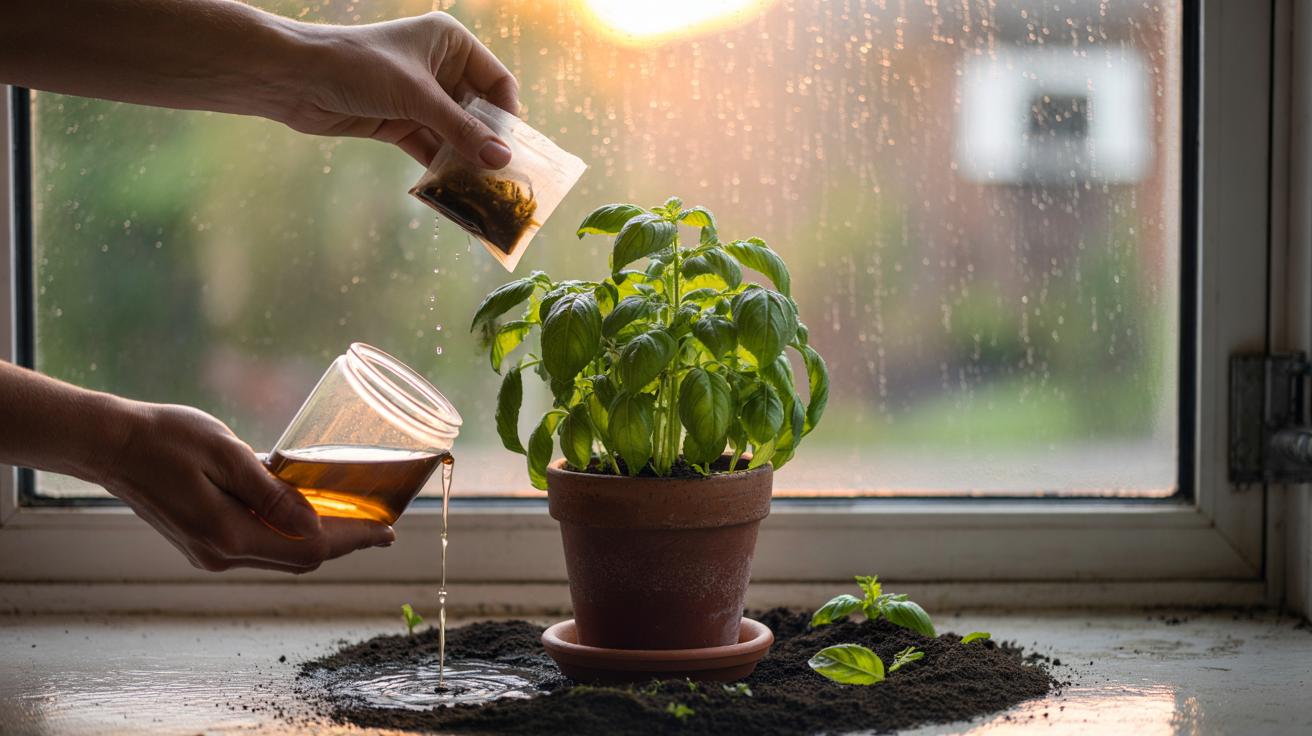
First, brew a weak infusion using a used bag in 500 ml of cool, clean water for 10–15 minutes. Remove the bag, let the liquid cool completely, and water the wilted plant at the base. Small sips, not a drench. Then open the bag and scatter the damp leaves as a thin top-dressing, keeping them a few centimetres from the stem. Do not press wet material directly against the crown—rot loves a tight, damp collar. Repeat no more than once a fortnight for houseplants, weekly for fast-growing annuals in summer heat.
Choose your brew with care. Plain black or green tea is fine; herbal teas like chamomile are gentle on seedlings. Avoid flavoured teas with oils or added sugars. For acid-loving plants—blueberries, azaleas, camellias—the mild pH nudge is a bonus. For succulents and orchids, skip it: they crave airy, lean media. If your brand uses plastic-fused bags, tear them open and compost only the leaves. When in doubt, use the leaves, not the bag. Below, a quick guide at a glance.
| Tea Type | Main Benefit | Best For | Watch Out |
|---|---|---|---|
| Black/Green | Mild acidity, trace nutrients | Most wilting ornamentals, herbs | Skip for very alkaline-sensitive seedlings |
| Chamomile | Gentle antimicrobial effect | Seedlings, indoor pots | Do not overwater; it’s not fungicide |
| Decaf | As above, minimal caffeine | Seed trays, tender herbs | Still avoid flavoured blends |
Real-World Results and Limitations in a British Garden
On a sweltering July afternoon in Kent, a pot of basil wilted to a limp flag. One cool tea-water sip, a light mulch of opened leaves, and by morning each stem had rediscovered its spring. A fern in the hallway, despondent after a radiator blast, followed suit—fronds lifted, colour deepened. Hydrangeas? They respond too, though larger specimens need proper soaking with plain water first. The tea step is a supplement, not the main drink. The visible “overnight” lift often comes from restored water pressure; tea simply helps the soil set the stage.
There are limits. If roots are rotting, compacted, or starved of oxygen, no tea trick will save them. Check drainage holes, repot root-bound plants, and correct chronic overwatering. Avoid piling soggy leaves where fungus gnats breed, and never use sweetened or milky tea. In the UK, many bags still contain a sliver of polypropylene—open and compost the leaves only. Used responsibly, the hack is thrifty, low-risk, and greener than pouring leftovers down the sink. It’s a small nudge with surprising impact, especially in heatwaves and central-heated rooms.
Used alongside good watering, bright-but-gentle light, and breathable soil, the humble tea bag becomes a tidy fixer-upper. It won’t replace balanced feed or proper horticulture, yet it can stabilise a wobbling plant and help it look alive again by dawn. Think of tea as the warm-up act, not the headline show. Will you give yesterday’s brew a second job on your windowsill, and if so, which plant will you rescue first?
Did you like it?4.6/5 (30)